
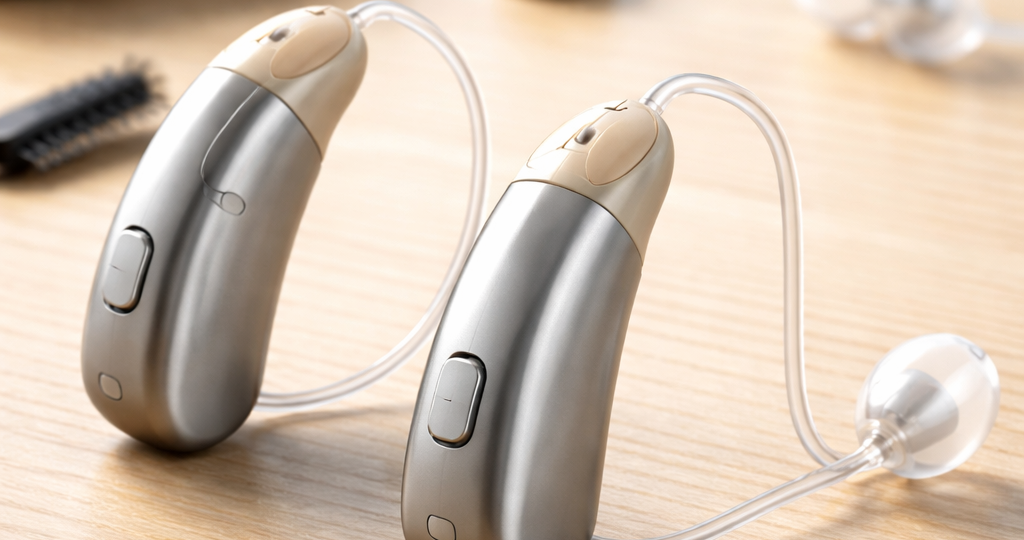
Hearing loss can affect your confidence, communication, and overall quality of life. Fortunately, modern hearing aids are more advanced, discreet, and effective than ever before. Whether you’re just starting to notice hearing difficulties or you’ve been diagnosed with hearing loss, understanding how hearing aids work and which type suits you best is the first step toward better hearing.
What Are Hearing Aids?
Hearing aids are small electronic devices worn in or behind the ear that amplify sound. They are designed to help people with hearing loss hear speech more clearly, reduce background noise, and improve overall listening comfort.
Modern digital hearing aids don’t simply make everything louder. Instead, they process sounds intelligently — enhancing speech, reducing background noise, and automatically adjusting to different environments like busy restaurants, quiet homes, or outdoor settings.
How Do Hearing Aids Work?
All hearing aids have three main components:
Microphone – Picks up sound from the environment
Amplifier (processor) – Increases and adjusts sound based on your hearing needs
Speaker (receiver) – Sends improved sound into your ear
Today’s digital models analyze sound thousands of times per second. This allows them to distinguish between speech and noise, making conversations clearer and more natural.
Types of Hearing Aids
Choosing the right hearing aid depends on your level of hearing loss, lifestyle, cosmetic preference, and budget.
1. Behind-The-Ear (BTE)
Worn behind the ear
Suitable for mild to profound hearing loss
Durable and powerful
Easy to handle and maintain
2. Receiver-In-Canal (RIC)
Slim and discreet
Comfortable and lightweight
Excellent sound quality
One of the most popular modern options
3. In-The-Ear (ITE)
Custom molded to your ear
Easy to insert and remove
Suitable for mild to severe hearing loss
4. Invisible-In-Canal (IIC)
Nearly invisible
Sits deep inside the ear canal
Best for mild to moderate hearing loss
Very discreet option
Key Features of Modern Hearing Aids
Today’s hearing technology includes advanced features such as:
Noise Reduction
Reduces background sounds while enhancing speech clarity.
Directional Microphones
Focus on sound coming from in front of you — helpful in conversations.
Bluetooth Connectivity
Many hearing aids connect to smartphones, TVs, and tablets for direct audio streaming.
Rechargeable Batteries
No more frequent battery changes. Simply place your hearing aids in a charging case overnight.
Automatic Environment Detection
Hearing aids can switch settings automatically depending on your surroundings.
Signs You May Need a Hearing Aid
You may benefit from a hearing aid if you:
Frequently ask people to repeat themselves
Struggle to follow conversations in noisy environments
Increase TV or radio volume more than others prefer
Feel tired after social events due to listening effort
Avoid social gatherings because of hearing difficulties
Early treatment is important. Untreated hearing loss can lead to communication breakdown, social isolation, and even cognitive strain over time.
The Importance of a Professional Hearing Assessment
Before choosing a hearing aid, a full hearing assessment is essential. A qualified hearing care professional will:
Test your hearing levels
Identify the type and severity of hearing loss
Recommend suitable hearing aid options
Program devices specifically for your needs
Hearing aids are not “one size fits all.” Professional fitting and fine-tuning ensure optimal comfort and performance.
Adjusting to Hearing Aids
It’s normal for your brain to need time to adapt to hearing aids. Sounds may initially seem different or slightly sharp. With consistent use, your brain relearns how to process sounds effectively.
Tips for adjustment:
Wear your hearing aids daily
Start in quieter environments
Gradually introduce noisier settings
Attend follow-up appointments for fine-tuning
Most users notice significant improvement within a few weeks.
Caring for Your Hearing Aids
Proper maintenance extends the life of your device:
Clean them daily
Store in a dry case
Avoid moisture exposure
Replace wax guards regularly
Schedule routine servicing
Regular aftercare ensures long-term performance and reliability.
Hearing Aids and Brain Health
Recent research shows that treating hearing loss may reduce cognitive strain and support brain health. When hearing is improved, the brain doesn’t have to work as hard to interpret sound, allowing better focus, memory, and social engagement.
Addressing hearing loss early can significantly improve overall well-being.
Final Thoughts
Hearing aids are life-changing devices that restore clarity, confidence, and connection. With today’s advanced technology, they are smaller, smarter, and more comfortable than ever before.
If you’re experiencing signs of hearing loss, don’t wait. A professional hearing test and personalized consultation can help you find the perfect hearing solution tailored to your lifestyle and needs.
